
What are social outcomes partnerships, how does the funding work, and how to tell whether it might suit your charity? A practical guide from the team at Good Finance.

Many charities are tackling complex social problems, and those problems often need personalised services tailored to each individual. That takes flexibility and room to innovate, which short-term, activity-based funding doesn’t always allow. If that sounds familiar, a Social Outcomes Partnership might be worth exploring.
If you’ve been in the sector a while, you may remember Social Impact Bonds (SIBs), which first appeared in the UK over 15 years ago. You might also have seen them called Social Outcomes Contracts (SOCs). Today they’re called Social Outcomes Partnerships (SOPs). The core model remains the same, but a lot of learnings have taken place since this concept was launched.
If any terms here are new to you, the Good Finance Jargon Buster can help.
v What is a Social Outcomes Partnership?
A Social Outcome Partnership (SOP) is contract focused on delivering outcomes.
The payment depends on the agreed outcomes being achieved rather than a set of activities carried out– example outcomes include a young person sustaining accommodation and/or employment/volunteering, or reduced hospital admissions by a defined group of people.
It’s a partnership between the private, public and social sector that lets you work with commissioners differently: with greater collaboration and trust, longer timeframes and more flexibility, so you can do more of what it takes to help people.
v Who is involved?
These key players are needed to make the partnership work:
COMMISSIONER: A commissioner (a public body such as a council or central government or a philanthropic funder or grant maker)
PROVIDER: A social enterprise or charity (often a consortium) or other eligible body delivers the service.
FUNDER [If needed]: A social investor or grant provider or philanthropist provides the money up front to cover your costs, if required. It could also be funded through your own capital or reserves.
How does the outcomes-based contract work?
1. A commissioner wants to tackle a specific social issue. They partner with a provider e.g. charity to deliver the front-line service, agreeing in advance the successful outcomes they will pay for.
2. The funder e.g. social investor puts in the capital needed upfront to deliver the programme, or the charity uses their own reserves
3. The service is delivered and only when agreed outcomes are achieved, the commissioner makes the agreed payments.
· The commissioner pays the charity for the delivery costs of those outcomes.
· The commissioner repays the funder if they were involved. The repayment is usually upfront costs plus interest, therefore delivering a return to the funder.
In short, a SOP shifts much of the focus on to the impact of outcomes achieved. However, it still bears risk in terms of finding upfront capital, measuring outcomes and contractual and reporting obligations.
v What are the benefits?
Social Outcomes Partnerships matter because they can fund services that might not otherwise be possible. Apart from encouraging flexible, tailored and innovative approaches, SOPs have some important benefits -
· Capability Building: A SOP concentrates everyone's attention on the change being achieved, in a way that's clear and uncompromising. Delivering this way can also build lasting capability - new skills, greater confidence, and stronger connections - which can open doors to future funding.
· Genuine collaboration: A SOP brings several stakeholders around a shared set of outcomes, with the funding structured to support a joined-up approach. This provides flexibility to think creatively and share learnings.
· Long-term Funding: Because SOPs are usually funded over several years rather than year to year, they give you the stability to plan ahead, embed what works, and scale with confidence.
v What should you know before considering SOPs?
SOPs can be powerful, but they aren't right for every organisation or every programme. Going in with your eyes open is the best way to decide.
· Measurement and reporting: Payment depends on evidencing outcomes, so it requires you have strong data and administrative teams. Not preparing sufficiently can delay delivery and pull everyone's focus onto metrics and compliance rather than the work itself.
It is important to only commit to outcomes you genuinely believe you can achieve. Build in flexibility too, so that if circumstances change you can adapt.
· Complexity: It can be hard to define all the value a programme creates - especially the cashable savings. Setting up the contract itself requires a significant investment of time requiring all parties to be aligned.
· Relationships: A SOP needs a commissioner who wants to tackle the problem being addressed as well as the investment model. Without that, the relationship can come under real strain during delivery.
· Understand the financial commitment: Social investors ultimately bear the risk and expect a return on their capital, but commissioner funding is finite. Before signing, be clear on how any surplus to investors will be funded and any resulting impact on your own finances.
It asks something of your organisation. A degree of financial resilience, strong governance and a clear grasp of your own costs all help. If you're not there yet, that's useful to know early – and there are steps you can take to get ready. [Social Outcomes Toolkit]
None of this should put you off. But knowing it upfront means you can explore a SOP from a position of confidence rather than surprise.
v What might this look like in practice?
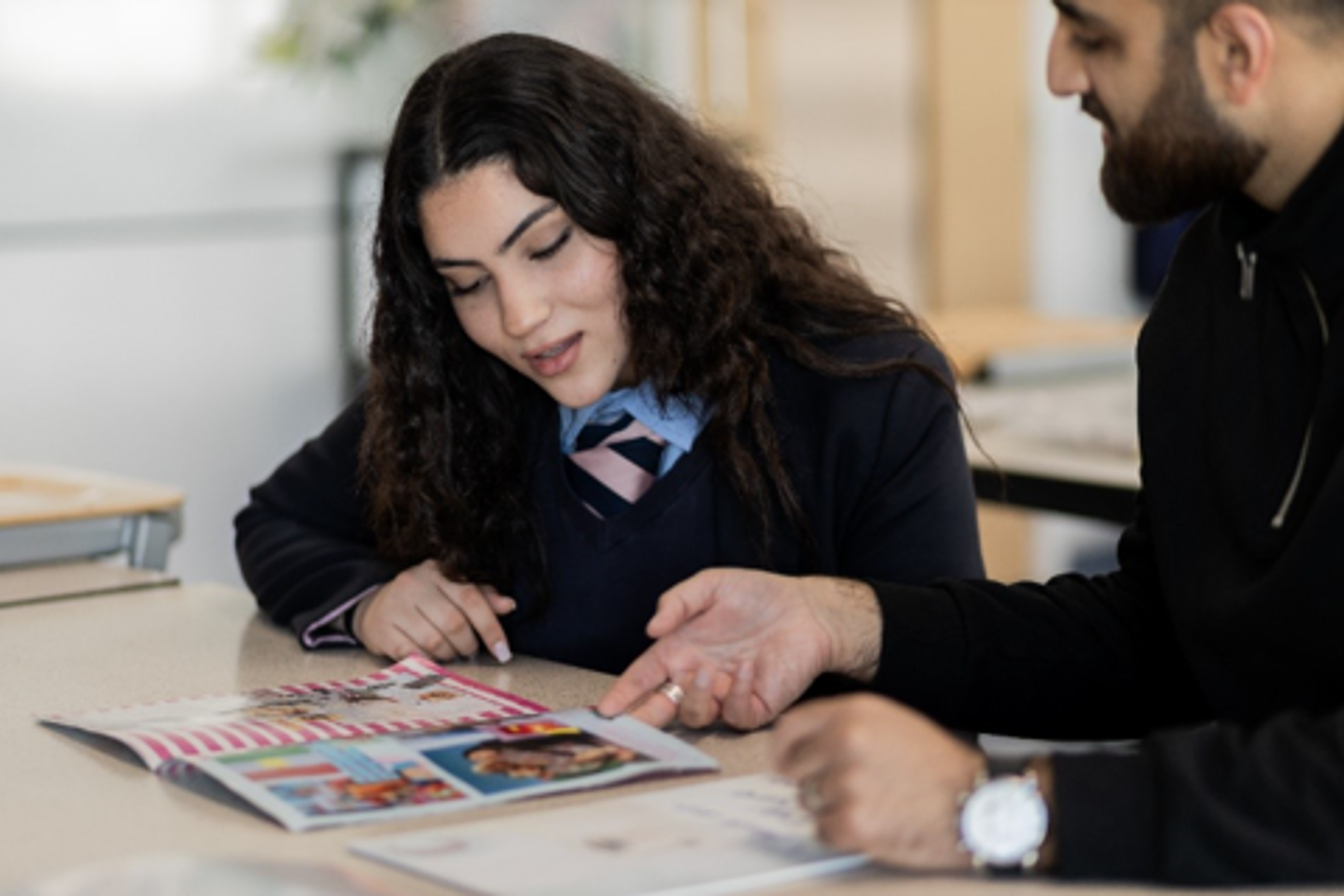
Imagine a small charity running an early-intervention programme for young people at risk of leaving education. Grant funding covers a single year at a time, making it hard to plan or grow. Through a SOP, an investor can fund for example, three years of delivery up front. The charity agrees a set of outcomes and payments with a local commissioner – improved attendance, and progression into work or training. The charity delivers, tracks its results carefully, and the commissioner pays as those outcomes are met. Investment capital is returned and the charity gains the stability to focus on the young people, not next year's fundraising.
Real-world examples include:
v Why now?
Interest in SOPs is growing. The government's Better Futures Fund - a large, long-term commitment to outcomes partnerships supporting children, young people and families - is one sign of that direction of travel. To give a sense of the opportunity, this fund’s ambition is to be able to fund up to £1 billion pounds of outcomes for children, young people and their families. You can read the official guidance on Gov.uk.
If any of this resonates with the work you do, the best next step is to learn how a SOP is built from the ground up. The Good Finance Social Outcomes Toolkit walks you through it, stage by stage so you can decide, with confidence, whether this is a path worth exploring for your organisation.
Good Finance helps charities and social enterprises navigate the world of social investment. To find out more please visit goodfinance.org.uk.