Lee Fellows, Co-Founder of The Charity Shop Gift Card explains how the CIC's gift card scheme supports local charities and communities across the UK, and explains how the scheme is helping keep funds in the charity sector.
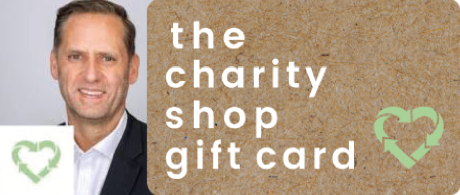
Where does The Charity Shop Gift Card’s story begin?
The story began in 2019 with two of our founders having a similar but different idea independently – firstly, a gift for conscientious shoppers and secondly a way for support agencies to distribute financial support that could be spent in charity shops, making funds go further and providing the dignity of choice.
The ideas came together and the scheme was developed in partnership with the Charity Retail Association. Initial funding was provided by acceptcards®, an employee trust that offers payment solutions to charities and other businesses.
Why did you opt to become a CIC?
We chose the CIC model to demonstrate our commitment to social good but saw it as a simpler route than setting up a charity. While being a CIC makes attracting traditional investment or grants slightly trickier, it was the right approach for us, given our size.
What are The Charity Shop Gift Card’s values – what’s important to you?
First and foremost it is to ensure that we run an ethical business in our dealings with cardholders, charities and other partners.
From a personal perspective, I am deeply concerned about the environment and whilst the very nature of the business is helping to reduce landfill and enable people to shop and gift more sustainably, it’s also important to all of us that the business acts with the environment at its core.
How does the gift card work and which communities are benefiting?
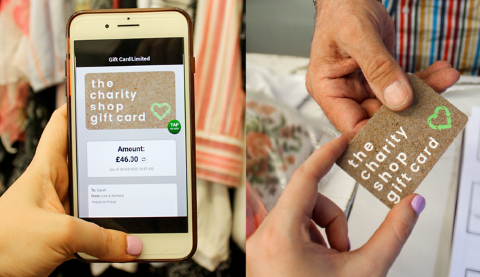
The simplest explanation is that it is a gift card that can be spent at any participating charity shop. The card can be purchased from charity shops, online and from some high street retailers, and we are working with a growing number of local authorities, social housing providers, charities and other support agencies that use the cards to distribute financial aid.
Crucially, support agencies only pay for what is actually spent, not what is loaded. This maximises budgets, as charity shops offer significantly better value than buying new, all while providing recipients a supportive, non-stigmatised shopping experience.
As a CIC, our profits fund free gift cards that are distributed to foodbanks, refuges and other support organisations.
And what are the costs for those charity shops who’ve embraced the scheme?
Charity shops pay a redemption fee of 15% of the value of gift cards spent in their shops and whilst the redemption fee may at first appear high, the commission earned from selling the cards is 10%, meaning that we operate on a margin of 5%. We do plan to reduce the redemption fee when we can but as the scheme delivers incremental revenue, charity shops are typically happy to make the investment.
How has your organisation developed since it was first established?
The mission remains the same but I’d say we’re more focused now on knowing what we need to achieve to make the business a success.
We still want more charity shops to sign up but we’re now closing in on 100 charities in the scheme, a huge difference from the seven that took a leap of faith back in 2021.
How many charities do you now work with and what’s the feedback like?
There are almost 3,000 charity shops that accept the card ranging from single charity shops to large national retailers.
Charity shops have really embraced the scheme but what’s really encouraging is the positive feedback from the support agencies that use the scheme, not just about the value for money but also the kind and compassionate way that their service users are treated.
How is the sector supporting you to spread the word about ethical gifting?
Being a small business, we’re dependent on our charity partners helping to get word out and there’s been a fantastic response. Whilst we have a small range of promotional materials, charities have ran competitions to win gift cards, involved social media influencers and also promoted the gift card in the press and in radio appearances.
As a small but growing CIC, what challenges do you face when it comes to delivering your mission?
Whilst more and more people are becoming aware of The Charity Shop Gift Card, awareness remains the biggest challenge. There has been a huge increase in people buying preloved and bucket loads of research that demonstrates the shift in attitudes to buying and receiving secondhand items, but greater awareness in both people and organisations will inevitably aid our mission.
And what are the challenges around finance and operations, if any?
I’d say that the biggest challenge is keeping abreast of regulations which is in part, why we’re pleased to have joined the CFG. I am hoping that access to the numerous webinars and experts will help on that front!
What’s been the most rewarding aspect of setting up The Charity Shop Gift Card?
As you’d expect, I both shop in and donate items to charity shops but I’m genuinely thrilled to take an idea and turn into a business that is already increasing the income of almost 100 different charities. There is so much more potential but there is no reason why the scheme can’t deliver millions of pounds of income per annum to our charity partners.
What are your hopes for the future?
I’d love to see The Charity Shop Gift Card used extensively as both a gift and as a way to distribute financial support, generating millions of pounds for charities.
How can the CFG community support Charity Shop Gift Card’s mission?
I’d welcome conversations with any CFG member that is interested in learning more, especially those that support people in the UK. Charities work so hard to raise funds so it would be great to keep more funds in the sector.
Is there anything else you'd like to share with our members?
Please sign up to our newsletter – that along with information about how we work with support agencies is on our dedicated website www.charityshopvouchers.co.uk.
Thanks for your time, Lee!