The UK Supreme Court's April 2025 ruling in For Women Scotland v Scottish Ministers has prompted questions across the voluntary sector about what, if anything, organisations need to do in response. This short briefing helps charities to navigate the implications pf the ruling relating to premises and facilities.
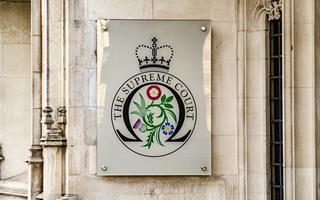
Some charities, voluntary and community organisations and faith groups are coming under pressure to take immediate action following the UK Supreme Court’s April 2025 ruling in For Women Scotland v Scottish Ministers, confirming that “sex” under the Equality Act 2010 means biological sex.
This summary from CFG is designed for voluntary sector leaders and trustees seeking clarity on the implications of the Supreme Court’s ruling on single‑sex spaces and what it means for facilities such as toilets and changing rooms – until the EHRC publishes its guidance on the subject.
The Supreme Court ruling confirms that single‑sex spaces relate to biological sex, but current legal commentary stresses that no structural alterations are required at this stage, and charities should prioritise prudence in spending.
Trustees and leaders should ensure their organisations do not rush – and are not pushed – into capital expenditure unless there is a clear benefit to the organisation.
It’s also important to note that The Supreme Court ruling states that its interpretation of the Equality Act 2010 does not remove protection from trans people, with or without a Gender Recognition Certificate. Trans people are protected from discrimination on the ground of gender reassignment.
This guidance looks at premises, rather than service delivery, and summarises what charity trustees and leaders should consider, before committing charity funds for facilities changes.
Key messages:
• Policies, not buildings, are the main area needing immediate review.
• Existing facilities can often be redesignated without construction.
• Wait for the EHRC’s final Code of Practice before committing funds.

Actions for trustees
Trustees are collectively responsible for ensuring their charity is well run, financially sound, and acting exclusively in furtherance of its charitable purposes.
Under charity law, trustees have duties of prudence and responsible stewardship. Expenditure must be justified, proportionate, and aligned with charitable purposes. When national guidance is unsettled, as with single‑sex facilities following the Supreme Court case, trustees should proceed cautiously.
Above all, they are accountable for safeguarding the charity’s resources and ensuring these are used effectively to benefit beneficiaries.
This guidance is designed to support trustees in making prudent, legally‑informed decisions. The ruling concerns legal definitions, not infrastructure mandates. Trustees must consider their duties of prudence, best value, and acting in the charity’s best interests.
Key points:
• Spending charity funds on premises changes must meet the test of necessity and proportionality.
• Premature alterations risk misallocation of resources.
• Trustees should record why postponing expenditure is in the charity’s best interests.
Actions for trustees:
• Check compliance with current workplace regulations.
• Review access policies for clarity and lawfulness.
• Avoid committing to large capital changes until definitive EHRC guidance is published.
• Document decisions, uncertainties, and rationale clearly.
Decision-making template
Here is a list of questions that trustees and leaders can work through to help reach a decision about investing in structural or other changes to premises. Document decisions, uncertainties, and rationale clearly.
• What problem are we trying to solve? Is structural change necessary?
• Can redesignation or policy revision address the issue more proportionately?
• What is the current legal and regulatory position?
• What alternatives exist that avoid major expenditure?
• Is the decision in the best interests of the charity and beneficiaries?
• Have trustees documented rationale and supporting evidence?
Further resources
House of Commons Research Briefing Supreme Court judgment on the meaning of “sex” in the Equality Act 2010: For Women Scotland, published 11 March 2026
Equality and Human Rights Commission
Read more from Clare on how charities can interpret the law